Are you wondering how a home appraisal could impact your purchase or sale in Littleton? You are not alone. Appraisals can feel mysterious, yet they sit at the center of most financed transactions. In this guide, you will learn how appraisals work in Littleton, what appraisers evaluate, which local factors move value, and how to prepare so the process is smooth and predictable. Let’s dive in.
Appraisals in Littleton: The basics
Why appraisals happen
Lenders order appraisals to confirm a property supports the loan amount and to manage mortgage risk. While the report primarily protects the lender, it also gives you a clear, professional opinion of market value. In cash deals, buyers sometimes order an appraisal for pricing confidence.
Standards and oversight
Appraisals follow USPAP, the Uniform Standards of Professional Appraisal Practice, set by The Appraisal Foundation. In Colorado, licensed appraisers are regulated by the Colorado Division of Real Estate. Appraisers working in Littleton rely on Arapahoe County Assessor data and City of Littleton permit records as part of their verification.
Common assignment types
- Full appraisal with interior and exterior inspection, the most common for purchase loans.
- Exterior-only appraisal, sometimes used for refinances when allowed by the lender.
- Desktop appraisal that relies on public records and MLS data without a site visit, used in limited cases.
- Specialized FHA or VA assignments with additional checklist items and minimum property requirements.
Timeline and what you receive
How long it takes
Turnaround typically runs from several days to two weeks. Timing depends on lender workflow, any appraisal management company involved, and overall market activity.
What the report includes
A standard report covers the legal description, neighborhood description, site details, improvements, floor area and room counts, condition notes, comparable sales analysis, and photos. For single-family homes, the sales comparison approach is usually the primary method. Cost and income approaches supplement when appropriate.
What appraisers evaluate
Property condition and functionality
Appraisers evaluate interior and exterior condition, finished square footage, room counts, and layout. They observe major systems such as HVAC, roof, plumbing, and electrical. Visible deferred maintenance and safety issues are noted and can influence value.
Site and exterior features
Lot size, orientation, topography, and drainage matter. Garages, driveways, patios, and decks are documented. Additions and alterations are reviewed, and appraisers look for evidence of permits where possible.
Neighborhood and amenities
Appraisers describe neighborhood characteristics, access to amenities, and potential adverse conditions such as proximity to heavy traffic or environmental concerns. They may note access to parks, trails, or transit where these features influence local demand.
Permits, zoning, and HOA
Permitted work, zoning rules, and HOA covenants can affect marketability and adjustments. Unpermitted work often leads to conservative treatment of additional space unless it can be brought into compliance.
Littleton value drivers to know
Old Town proximity
Being close to Old Town Littleton can support a pricing premium due to walkability, historic character, and dining and retail options. Homes within practical distance of this hub often see stronger buyer interest.
Trails, parks, and open space
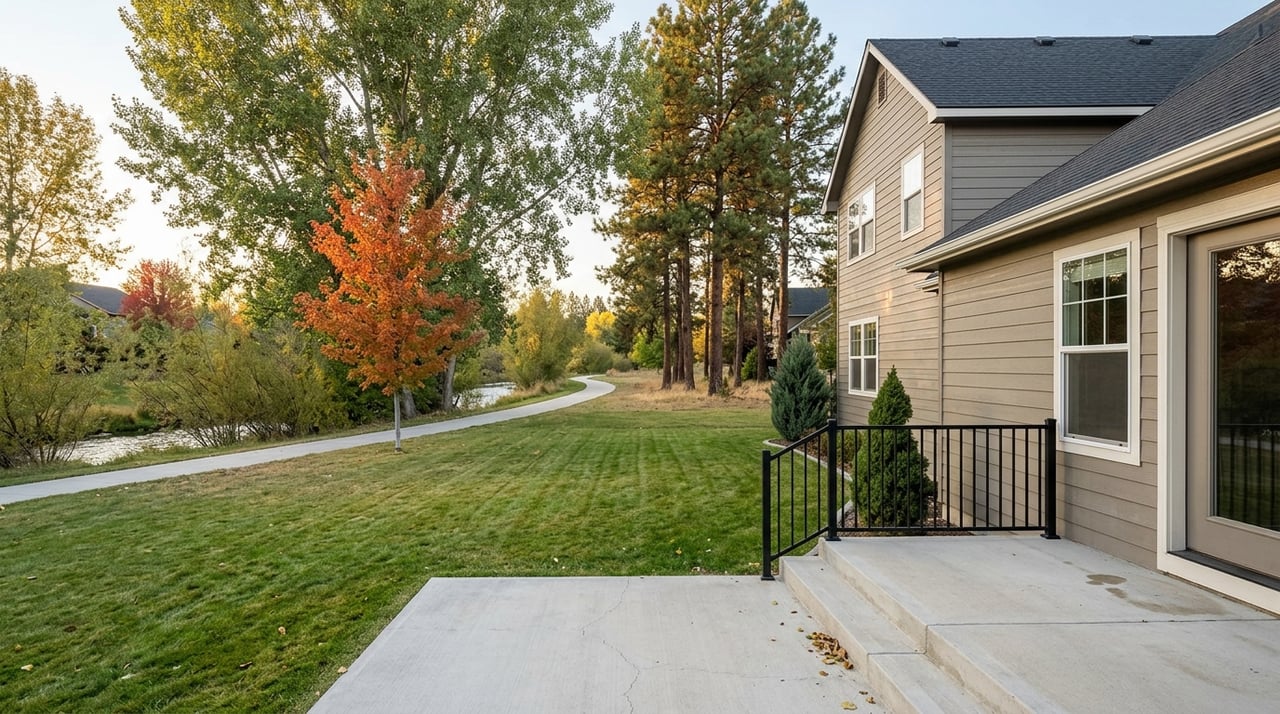
Proximity to the Cherry Creek Trail, the South Platte River, and local parks is frequently highlighted in Littleton listings. Easy access to outdoor recreation tends to boost appeal for many buyers.
Transit and commute access
Nearby RTD light rail stations and major arterials that connect to Denver can support value by easing commute times. Appraisers consider these location benefits when selecting and adjusting comparable sales.
Lot orientation, views, and usability
In colder months, a south-facing rear yard can be desirable for sunlight and outdoor use. Elevated lots and mountain or front-range views can carry premiums. Steep or awkward topography that reduces usable space may be penalized.
Home features and updates
Finished square footage and a functional floor plan weigh heavily in the sales comparison approach. Documented kitchen and bath remodels, updated mechanicals, newer roofs, and energy-efficient windows are positives. Finished basements add value when consistent with neighborhood norms. Two-car garages and off-street parking are important in many Littleton neighborhoods.
Schools and boundary lines
School boundaries can influence demand even within the same city. Appraisers capture this as part of neighborhood characteristics reflected in market data, not through subjective ratings.
Floodplain and drainage
Areas near the South Platte or local creeks may fall within FEMA flood zones or have special drainage conditions. Lenders can require flood insurance or mitigation, which can affect buyer demand and appraised value.
How Littleton sellers can prepare
Organize documentation
- Permits for renovations and additions, plus a simple summary of what was done and when.
- Receipts or invoices for major work like roof, HVAC, plumbing, and electrical.
- Manuals and warranties for appliances and systems.
- HOA documents, survey if available, and any septic or utility reports.
- Records of energy-efficiency upgrades.
Address condition and access
- Tackle visible deferred maintenance such as leaks, stains, or broken fixtures.
- Confirm that major systems function and safety issues are resolved.
- Clear pathways to the furnace, water heater, and electrical panel.
- Spruce up curb appeal with tidy landscaping and clean entry points.
Share relevant market info
- Provide your agent with recent comparable sales that support your price position.
- Note neighborhood amenities and any association rules or assessments.
- Be transparent about atypical features, easements, encroachments, or known defects.
- Stage rooms to demonstrate functional use. Staging does not change physical value, but it clarifies how spaces work.
How Littleton buyers can prepare
Align on appraisal scope
- Confirm with your lender whether the appraisal will be full, exterior-only, or desktop.
- Understand if FHA or VA requirements apply to your loan.
Provide helpful documentation
- Share seller disclosures and inspection reports with your agent to pass to the appraiser.
- For homes with significant upgrades, assemble a simple packet with permits and a summary of improvements.
Set expectations on price vs comps
- Appraisers rely on recent closed sales, typically within the past 3 to 6 months.
- If your contract price is above recent comps, discuss appraisal gap strategies with your agent and lender.
If the appraisal comes in low
Common causes
Limited recent local comps, rapid appreciation, unique property features, or unpermitted improvements can lead to a value below contract price.
Practical responses
- Renegotiate with a price reduction or seller credit.
- Use appraisal gap coverage if it fits your finances.
- Request a reconsideration of value by submitting additional relevant comps and documentation.
- Where allowed, seek a second appraisal.
- Use bridge financing or cash to close if feasible.
FHA and VA specifics
FHA and VA appraisals include additional checklist items and minimum property requirements. Issues that might pass on a conventional appraisal can trigger required repairs for FHA or VA. If you plan to use one of these programs, talk with your agent early so you can address potential items before the appraisal.
Unique homes and limited comps
When a property is unique or comps are scarce, appraisers may expand the search area or time frame and adjust accordingly. Sellers and agents can help by documenting demand for distinctive features and sharing evidence from nearby sales with similar attributes. For highly unique homes, a pre-listing appraisal can reduce surprises.
Smooth access and communication
- Ensure simple, scheduled access and clear instructions for alarms and utilities.
- Avoid coaching the appraiser on price. Stick to facts and documentation shared through your agent.
- Ask the listing agent to compile a concise packet of comparables and relevant permits for the appraiser.
Work with a local expert
A clear strategy sets you up for success. When you understand what appraisers look for in Littleton and how local factors influence value, you avoid surprises and keep momentum to closing. If you want tailored guidance on your home, pricing, and preparation, connect with a neighborhood-first advisor who pairs local knowledge with disciplined negotiation and premium marketing. Reach out to Mindi Sanders for a confident, efficient plan.
FAQs
What does a Littleton appraisal include?
- A written report with property details, neighborhood description, photos, and an opinion of market value based on comparable sales, with cost or income approaches as applicable.
How long does a Littleton appraisal take?
- Most reports are completed within several days to two weeks, depending on lender workflow, the appraiser’s schedule, and market activity.
Which local features can increase value in Littleton?
- Proximity to Old Town, access to trails and parks, transit convenience, usable lots with good orientation, views, and documented interior updates can support value.
What if my home has unpermitted work in Littleton?
- Appraisers often treat unpermitted areas conservatively; securing permits or retroactive permits and providing documentation can improve marketability and appraised value.
Do school boundaries affect appraisals in Littleton?
- School boundaries can influence buyer demand; appraisers capture these effects through market data and comparable sales within neighborhood contexts.
How do flood zones impact Littleton appraisals?
- Properties in floodplains may require flood insurance or mitigation, which can affect demand and financing, and may influence appraised value.
Can buyers order an appraisal on a cash purchase?
- Yes, buyers in cash transactions sometimes order an appraisal for pricing confidence even when a lender is not involved.