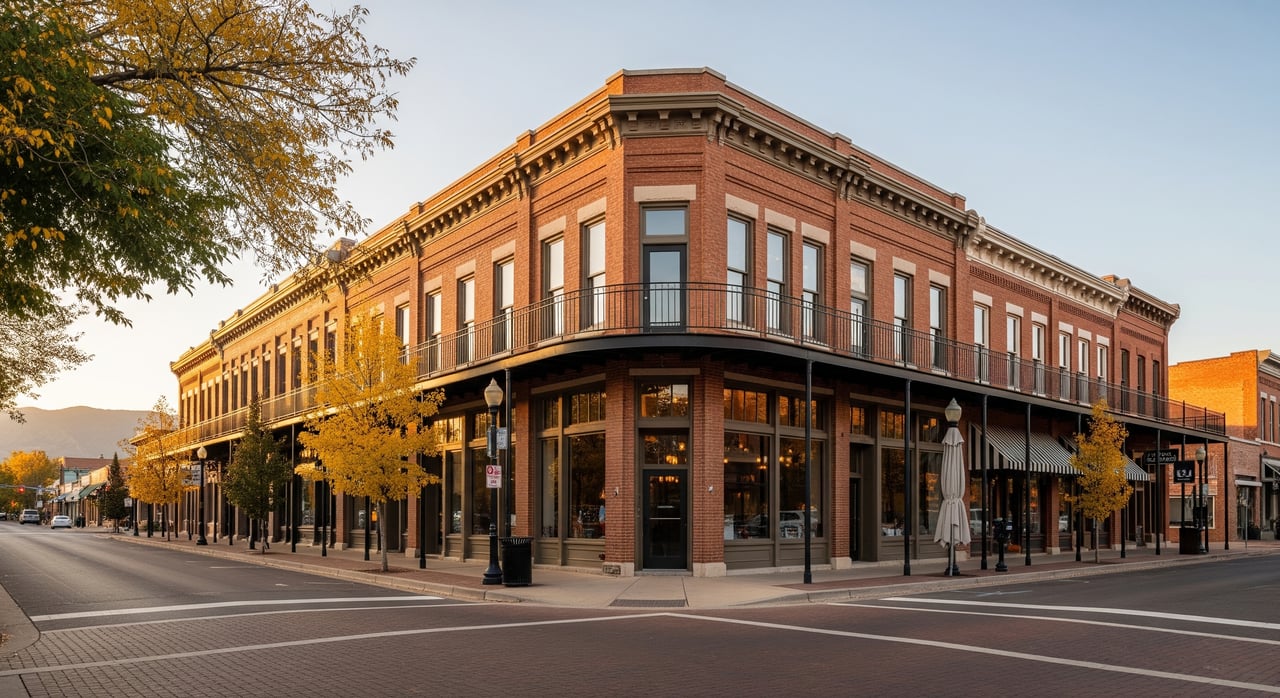
Craving a neighborhood where you can grab coffee, browse a boutique, and catch a show without getting in the car? Downtown Littleton offers that small-town Main Street feel with the perks of a larger metro nearby. If you want walkability, local flavor, and quick access to parks and trails, this guide will help you see whether the historic core fits your lifestyle. You’ll learn about housing, daily rhythm, transit options, and practical trade-offs so you can decide with confidence. Let’s dive in.
Downtown vibe and daily rhythm
Living near Main Street means short walks for everyday errands. You can step out for brunch, pick up a gift from a local shop, or drop a package at the post office in a few minutes. Seasonal festivals, live theater, and gallery nights bring energy on evenings and weekends, especially during peak event months.
You’re also close to nature. The South Platte River corridor and connected trails run near downtown, which makes it easy to fit in a walk, run, or bike ride. The trade-offs are typical for a lively town center: smaller private yards, some street noise during events or weekend nights, and a mix of street parking and small lots.
This area tends to work well if you value convenience and a social, walkable routine. It’s a popular fit for young professionals, downsizers, and anyone who prefers character-rich streets over big suburban lots.
Homes near Main Street
What you’ll see on the block
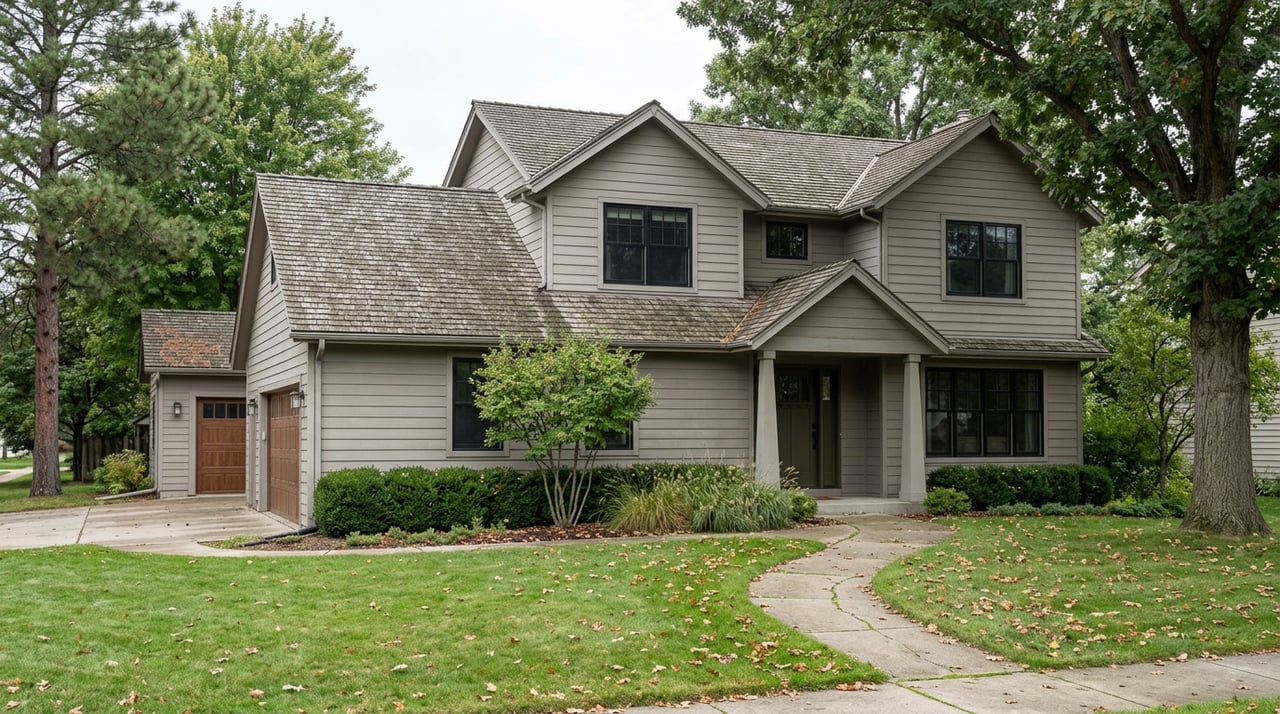
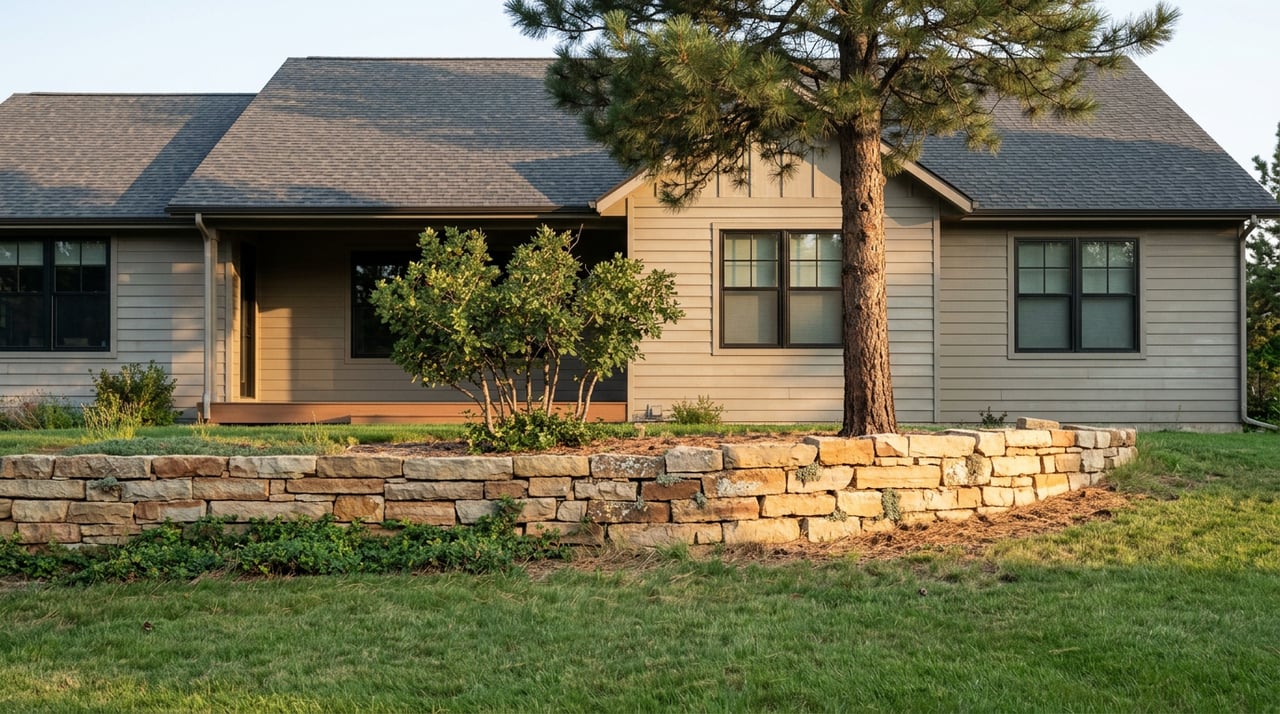
- Older single-family homes, including early- to mid-20th-century bungalows, cottages, and ranches on modest lots
- Historic and vernacular styles with Victorian or Craftsman details in the oldest pockets
- Low- to mid-density condos and apartments, including upper-floor units above retail
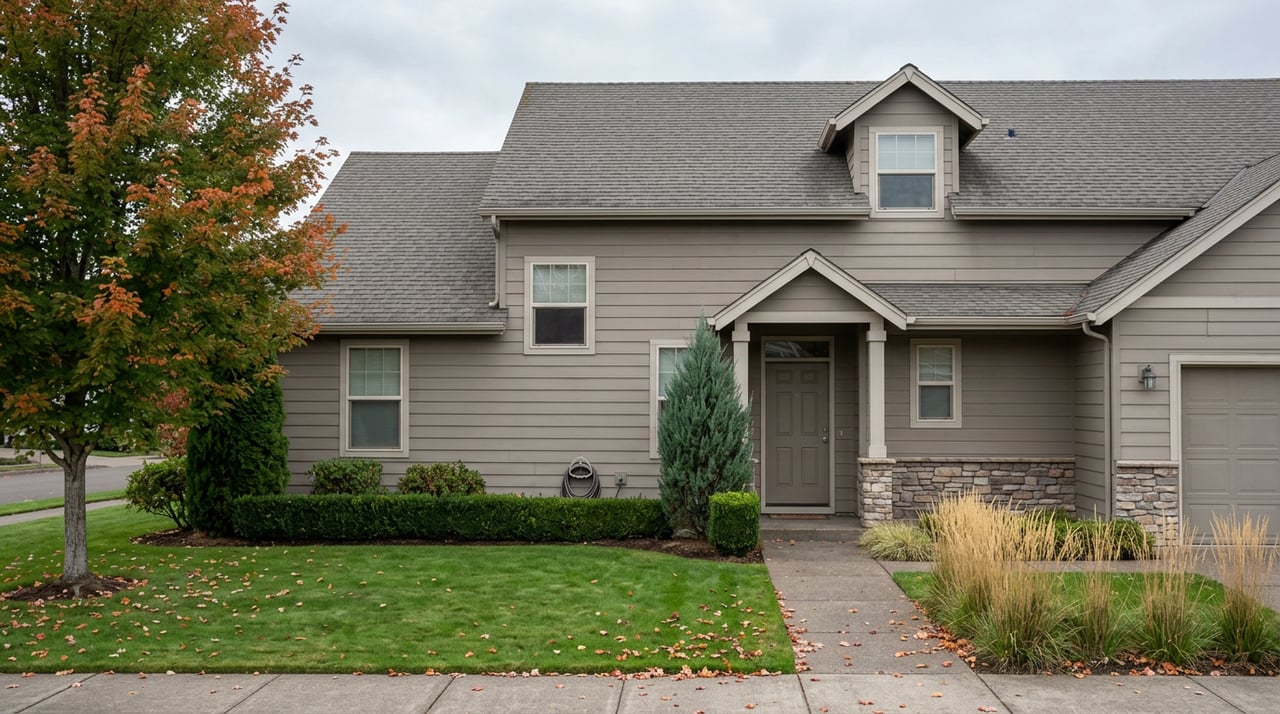
- Newer townhomes and infill builds as demand for close-in living has grown
- Mixed-use buildings with ground-floor storefronts and residential units above
What to know before you buy
- Lot size and age: Expect smaller lots and older infrastructure compared with newer suburbs. Many homes have been remodeled at different times.
- Systems and upgrades: Plan for possible HVAC, electrical, insulation, or window improvements depending on the property’s age and prior work.
- HOAs and dues: Condos and townhomes commonly have HOA fees that may cover exterior maintenance, snow removal, building insurance, and amenities. Review dues, reserves, and rules carefully.
- Historic design and zoning: Portions of the downtown area may fall under historic overlays or design guidelines that shape exterior changes. Confirm rules and permitted uses with the City of Littleton’s planning resources on the City of Littleton website.
Getting around
Walkability and bikes
Downtown Littleton is one of the city’s most walkable areas, with short blocks, sidewalks, and marked crosswalks. Bike routes connect you to the South Platte River trail network, making it realistic to run daily errands or reach parks without a car.
Transit and commuting
The Regional Transportation District (RTD) serves the area with light rail and bus connections that link into Denver. Routes, station names, and schedules change over time, so check current service using the RTD trip tools. If you drive, you’ll have fairly direct access to south metro arterials and I-25, but commute times vary by route and time of day.
Parking basics
In the historic core, many homes and small multifamily buildings rely on on-street parking or small municipal lots. Some condos and townhomes offer assigned parking or garages. Review local parking rules and any permit zones with the City of Littleton as part of your due diligence.
Arts, culture, and community
The downtown corridor punches above its weight for arts and culture. The Town Hall Arts Center anchors live theater and community programming. Browse the current season and events through the Town Hall Arts Center calendar. For history buffs, the Littleton Museum offers rotating exhibits and insight into the city’s heritage. Annual festivals, markets, and holiday events bring residents together throughout the year. Check the city’s event listings to plan your calendar.
Parks, trails, and weekend fun
You’re minutes from the South Platte River trail system for walking, biking, and nature views. For bigger adventures, nearby regional and state parks offer hiking, boating, and wildlife viewing. Start with Colorado Parks & Wildlife to explore options like Chatfield State Park and Roxborough State Park through the Colorado Parks & Wildlife site.
Schools and local services
Public schools that serve downtown addresses depend on exact boundaries and may vary by block. For current school performance frameworks and enrollment information, review the Colorado Department of Education. Essential services such as the post office, municipal offices, banks, and medical clinics are in or near the downtown core. Specialty medical centers are a short drive away along larger commercial corridors.
Costs and ownership basics
Prices near Historic Downtown shift with market conditions, the specific block, property type, and renovation level. If you’re considering a condo or townhome, factor in HOA dues and coverage, including reserves and special assessment history. For single-family homes, expect a range of updates and the potential for system improvements as part of your budget.
Property taxes, HOA costs, and monthly utilities can vary. Review recent sales and fee structures alongside your lender’s projections to build a realistic all-in monthly number. Your purchase timeline may also be influenced by inventory and days on market in the immediate downtown radius. Because these stats change, ask for the most recent data from local MLS resources and market reports before you make an offer.
Risk and rules to verify
Floodplain and environment
Some parcels near the river corridor may fall within designated flood zones. Always check a specific address using FEMA’s official mapping tools on the FEMA Flood Map Service Center and review any required insurance with your lender and insurer.
Zoning and historic review
If a property sits in a historic overlay or a design review area, the scope of exterior changes, additions, and signage may be limited. Verify permitted uses, setbacks, density, and design standards with the City of Littleton’s planning department via the City of Littleton website.
Noise and events
Downtown’s active event calendar is part of its charm, but it can add street noise during busy evenings or festivals. Visit the block you’re considering during a weekend night and again on a weekday morning to understand the full sound profile.
Is Downtown Littleton a fit? Quick checklist
- Proximity preference: Do you want daily amenities within a few blocks, or are you comfortable driving?
- Space needs: How many bedrooms and what yard size do you need? Is a garage or assigned parking essential?
- Noise tolerance: Are you comfortable with occasional street noise and festival weekends?
- Transit dependency: Do you need light rail or bus access, or will you rely on a car?
- Ownership style: Are you open to HOA living, or do you prefer a single-family home with more control?
- Renovation comfort: Are you prepared for system upgrades and ongoing maintenance in an older home?
- School priority: Will you verify school assignments and programs that align with your needs?
How to start your search
- Define your must-haves and nice-to-haves using the checklist above.
- Walk Main Street and nearby blocks at different times of day to gauge walkability, traffic, and noise.
- If you need transit, test a commute with the RTD trip tools to confirm timing and connections.
- Shortlist property types that match your lifestyle: single-family with a modest yard, a townhome with a garage, or a condo over retail.
- For each target property, review HOA documents, reserves, and rules, and confirm any design or zoning constraints with the City of Littleton.
- Check flood risk at the FEMA Flood Map Service Center and discuss insurance implications.
- Request the latest nearby sales, days on market, and inventory data to understand pricing in the immediate downtown radius.
If you want a walkable home base with arts, dining, and trails close by, Downtown Littleton delivers a lot of lifestyle in a compact footprint. With the right guidance, you can balance character, convenience, and long-term value.
Ready to explore homes near Historic Downtown Littleton or list a property for maximum exposure? Connect with Mindi Sanders for local insight, data-driven strategy, and responsive service.
FAQs
What is daily life like in Downtown Littleton?
- You can walk to cafes, restaurants, and shops, enjoy active arts programming, and access the South Platte River trail, with occasional event-related street noise and smaller yards.
What types of homes are closest to Main Street?
- You’ll see older bungalows, cottages, ranches, newer townhomes, mixed-use buildings, and some condos or apartments above retail spaces.
Is parking difficult in the historic core?
- Many homes rely on street parking or small lots, while some condos and townhomes include assigned spaces or garages; review local rules with the City of Littleton.
How do I commute from Downtown Littleton to Denver?
- RTD light rail and bus routes serve the area, and schedules change over time; confirm current options using the RTD site.
What parks and trails are nearby?
- The South Platte River trail is close, and regional options like Chatfield and Roxborough are within a drive; start with Colorado Parks & Wildlife for details.
How can I check flood risk near the river?
- Enter the property address into the FEMA Flood Map Service Center and review insurance requirements with your lender and insurer.
Are there HOAs in Downtown Littleton?
- Many condos and townhomes have HOAs that cover exterior maintenance and common areas; review dues, reserves, and rules for each property.
Which schools serve Downtown Littleton addresses?
- School assignments vary by block; check boundaries and performance frameworks with the Colorado Department of Education and the local district.