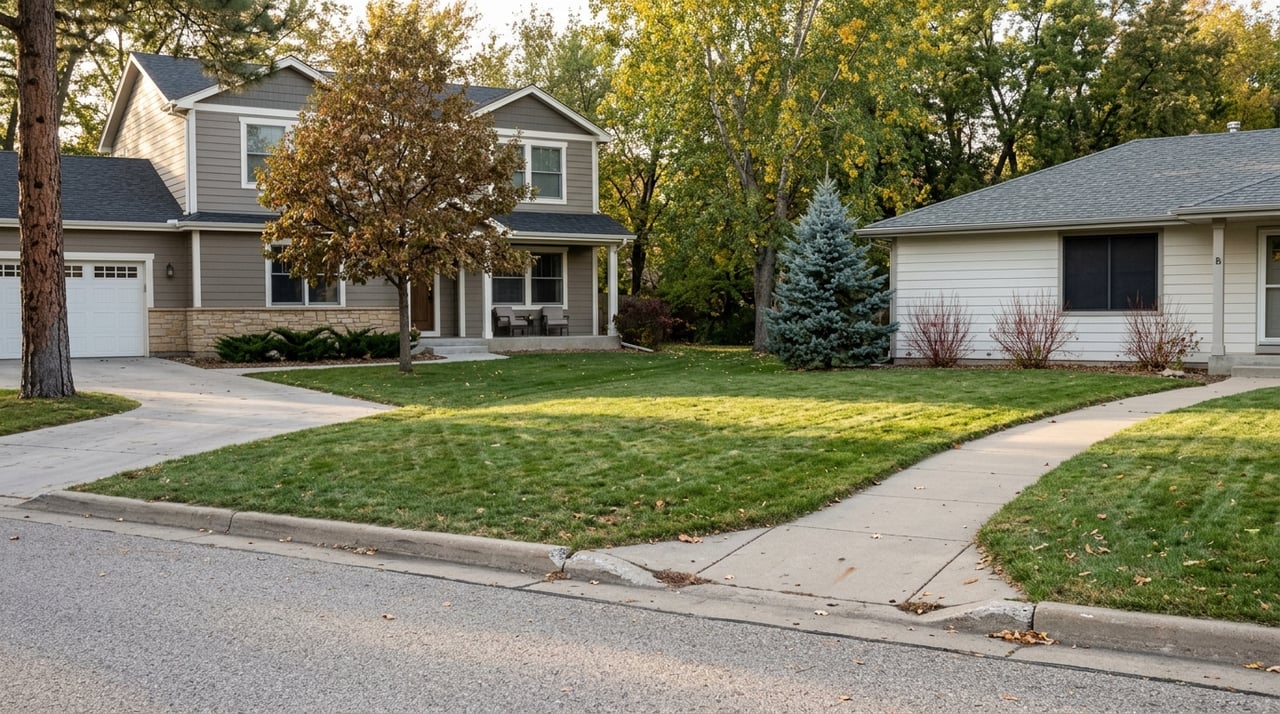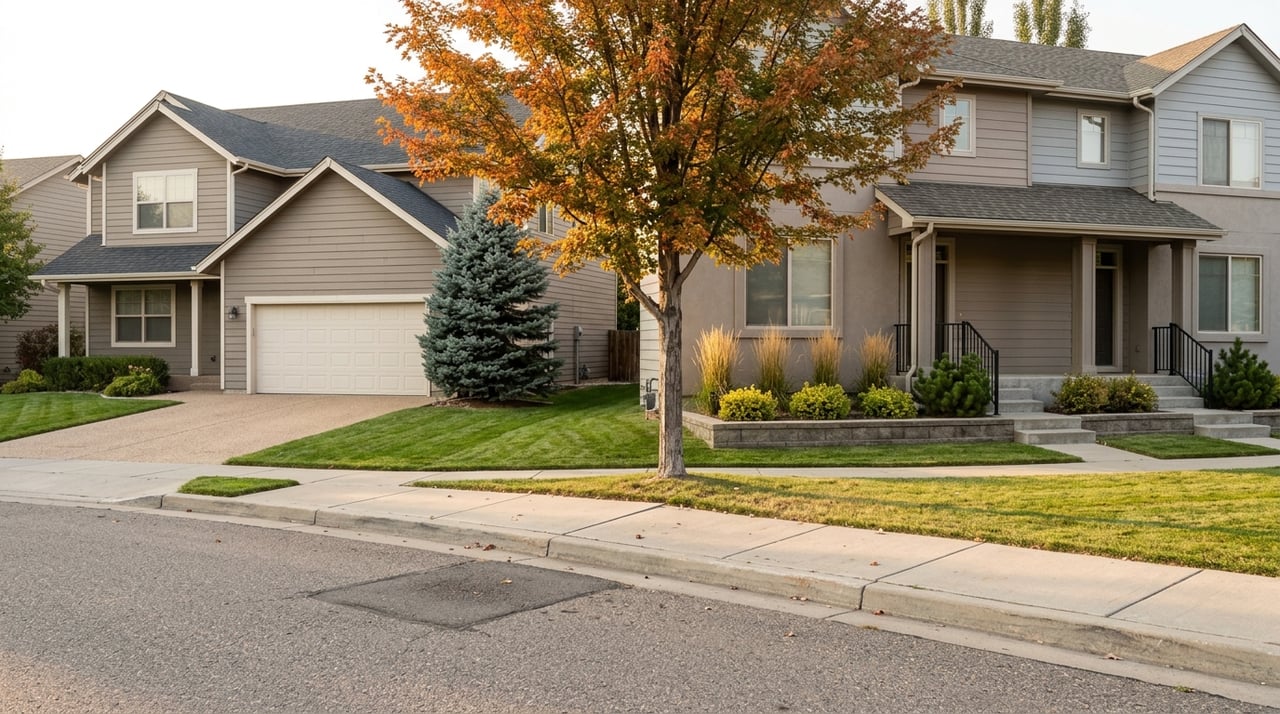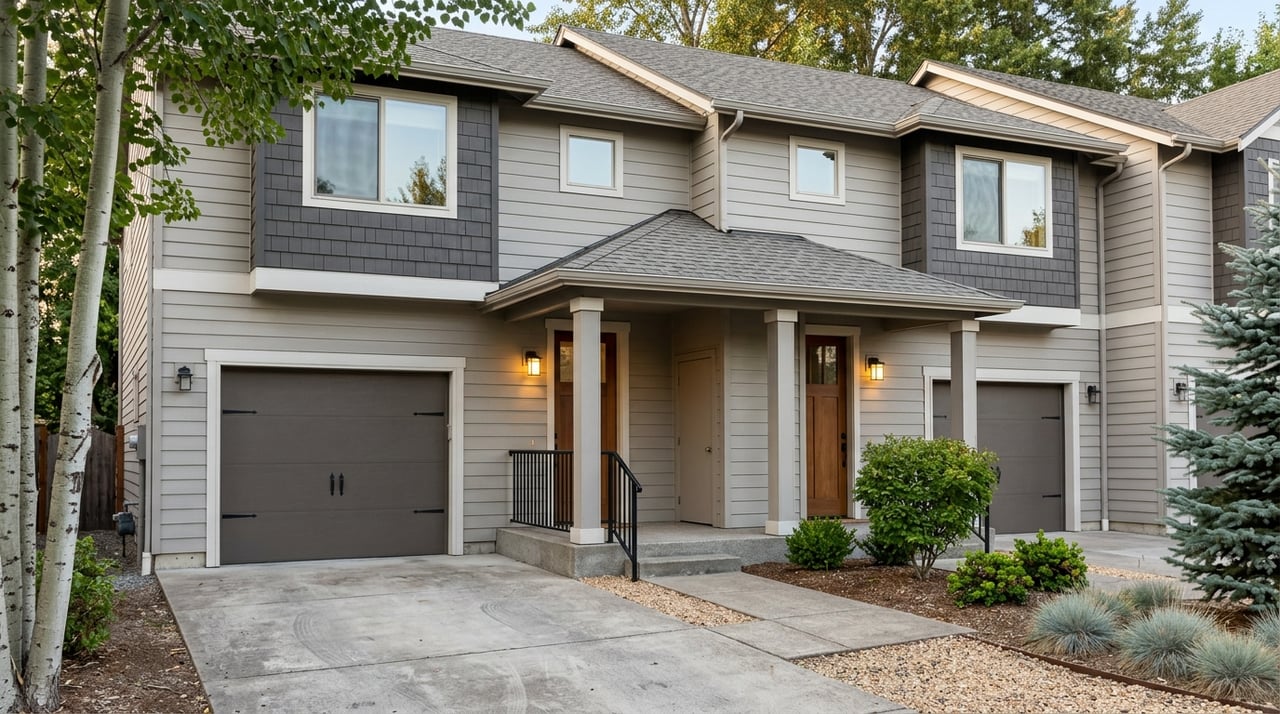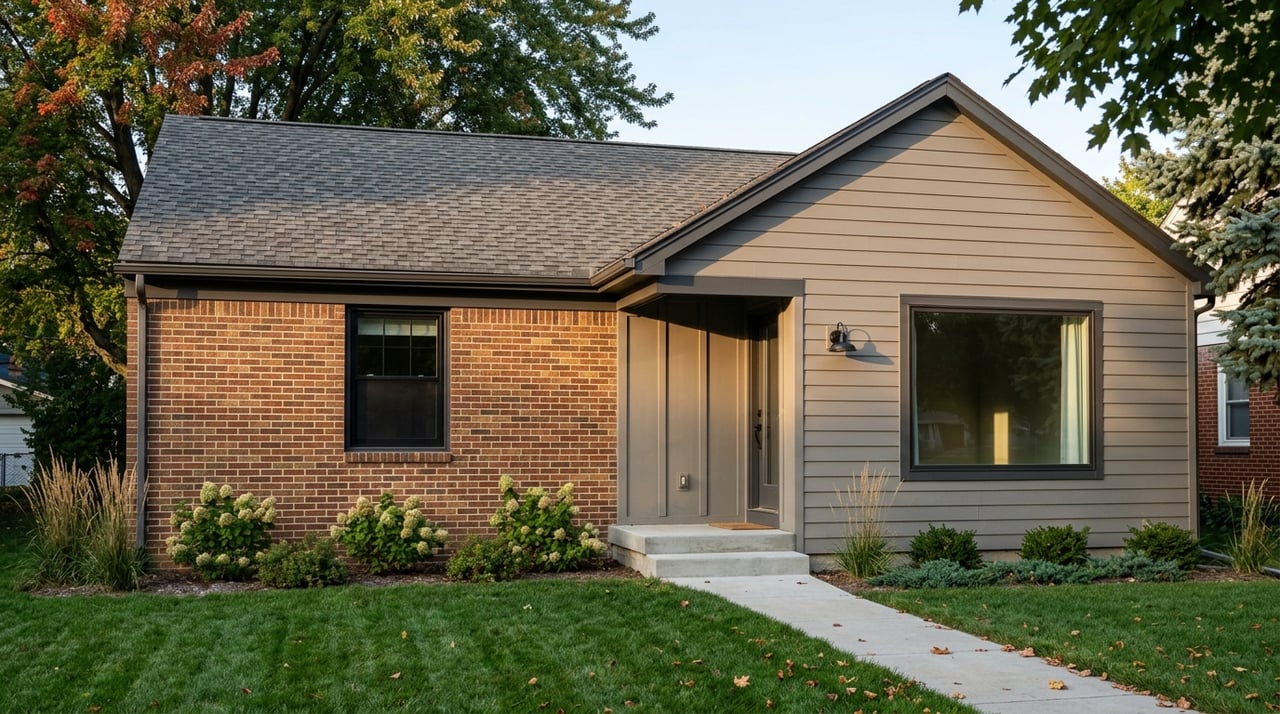
Thinking about an older home in Littleton or hoping a newer build will make life easier? In a city where most homes are well established, that choice is not always as simple as charm versus convenience. If you are buying or selling in Littleton, it helps to understand how age affects maintenance, energy use, permits, and resale potential. Let’s dive in.
Littleton Homes Skew Older
Littleton’s housing stock is largely established, which shapes what you will see on the market. According to the city’s comprehensive plan appendix, 71.7% of the housing stock was at least 30 years old, and the biggest construction waves came in the 1970s and 1980s.
That matters because your “typical” Littleton home is more likely to be an older property than a brand-new one. The same city data shows only 2.7% of homes were built from 2010 to 2017, so newer homes are relatively limited in supply.
For buyers, this means you may need to compare homes based on condition and updates more than construction year alone. For sellers, it means thoughtful improvements can have a real impact, especially with Littleton’s median owner-occupied home value at $630,600.
What Older Homes Often Offer
Older homes in Littleton often come with established layouts, mature lots, and architectural variety. Because much of the city grew during the postwar and late-20th-century years, you will commonly find ranches, split-levels, and other mid-century forms.
One thing many buyers discover is that older homes are not all laid out the same way. Design trends from the 1950s and later included both open and more separated floor plans, so you may find more variety than expected from one older home to the next.
That variety can be a real advantage if you want character or a layout that feels different from newer construction. At the same time, age often brings more questions about systems, repairs, and whether past updates were done properly.
What Newer Homes Often Offer
Newer homes in Littleton usually attract attention because they may have more current materials, systems, and energy features. In many cases, buyers are paying a premium for less immediate maintenance and a building envelope that aligns more closely with modern standards.
For example, newer efficient homes commonly use double- or triple-glazed windows. Older homes may fall behind current insulation and air-sealing expectations, which can affect comfort and utility costs.
That does not mean every newer home is perfect or every older home is inefficient. It means the tradeoff is often about whether you would rather pay more upfront for newer systems or budget for targeted improvements after purchase.
Compare Energy Performance Carefully
If you are choosing between an older and newer home in Littleton, energy performance deserves a close look. Cosmetic finishes are easy to notice, but comfort and efficiency often come down to less visible details like insulation, air leakage, and window quality.
In older homes, some of the best first improvement dollars often go into the building envelope. The U.S. Department of Energy says air sealing can reduce leakage and improve comfort and durability, and simple steps like caulking and weatherstripping may pay back in one year or less.
A home energy assessment can help you understand what matters most before you spend money. That is especially useful in an older home where you may be deciding between replacing finishes you can see and improving performance you can feel every day.
Colorado also offers some help for eligible households. In November 2025, the state launched consumer-facing home energy rebates that can provide up to $14,000 in savings for qualifying improvements such as insulation, air sealing, electric panels or wiring, and efficient appliances.
Watch for Permits and Historic Review
In Littleton, the age of a home can affect more than maintenance. It can also affect what work requires approval and how easily you can make changes in the future.
The city requires building permits for construction, enlargement, alteration, repair, demolition, and for electrical, gas, mechanical, and plumbing work. In some cases, structural changes may also require engineer-stamped plans.
That is why buyers should verify whether major past remodels were permitted. It is also why sellers benefit from having documentation ready for updates like system replacements, structural work, or larger renovations.
If a home is a designated historic property, there is another layer to consider. Littleton’s historic preservation code requires a Certificate of Appropriateness before exterior work can be permitted, and designated properties are protected through demolition and exterior-alteration review.
Older Home Questions to Ask
If you are considering an older home in Littleton, focus on the items that affect cost, comfort, and future planning. A beautiful kitchen matters, but the bigger budget surprises often come from systems and envelope issues.
Ask for documentation on these items:
- Roof age and replacement history
- Window age and type
- HVAC age and service records
- Insulation upgrades
- Electrical, plumbing, or mechanical updates
- Permit history for remodels or additions
- Historic designation status, if applicable
These questions can help you compare two homes more fairly. A house with older finishes but strong systems may be a smarter buy than one that looks updated but has hidden deferred maintenance.
Newer Home Questions to Ask
Newer homes can reduce some near-term repair concerns, but you should still look closely at value. In a market where newer inventory is limited, buyers sometimes stretch for a newer home without fully weighing the premium.
When you tour a newer property, consider these points:
- How much more are you paying for newer construction?
- Which systems and finishes are actually newer versus just recently refreshed?
- How does the energy performance compare with updated older homes?
- Will the floor plan and lot meet your long-term needs?
- Are there any unfinished projects or builder-grade items you may want to upgrade?
The goal is not simply to buy the newest home possible. It is to decide whether the higher price buys you meaningful savings, convenience, and resale appeal.
Sellers Should Prioritize the Right Updates
If you are selling an older home in Littleton, you do not always need a major remodel to improve marketability. In many cases, practical repairs and visible exterior improvements can do more for resale than a large, expensive renovation.
The 2024 Denver Cost vs Value report supports that idea. Garage door replacement had a reported cost recovery of 215.8%, steel entry door replacement 172.4%, manufactured stone veneer 111.8%, and a midrange kitchen refresh 82.4%.
By comparison, some larger projects recovered far less. Vinyl window replacement came in at 56.4%, asphalt roof replacement at 45.3%, a major kitchen remodel at 39.6%, and a midrange primary suite addition at 31.1%.
That does not mean you should ignore needed repairs. It means you should be strategic. If you are preparing to sell, curb appeal, visible condition, and modest modernization may deliver a stronger return than a full luxury overhaul.
Buyers Notice Condition More Than Before
Condition matters in today’s market, especially for older homes. The 2025 Remodeling Impact Report found that 46% of buyers are less willing to compromise on a home’s condition than they were previously.
That shift is important in Littleton because so much of the inventory is older. Buyers may be open to an established home, but they are often looking closely at worn surfaces, deferred maintenance, and energy-related issues.
For sellers, this is a reminder that presentation alone is not enough. Clean, functional, well-documented homes tend to inspire more confidence, especially when buyers know they may already be taking on an older property.
How to Decide What Fits You Best
There is no one-size-fits-all answer when comparing older versus newer homes in Littleton. The right choice depends on your budget, timeline, tolerance for projects, and what matters most in your day-to-day life.
An older home may make sense if you value character, are comfortable planning upgrades, and want more options in a city where most housing is established. A newer home may be the better fit if you want lower near-term maintenance, more current energy features, and fewer immediate decisions.
If you are selling, the same logic applies in reverse. You do not need to make your home brand new, but you do need to understand which updates improve buyer confidence and which ones may not pay you back.
When you are weighing homes or planning pre-sale improvements in Littleton, local knowledge makes a difference. If you want clear guidance on value, updates, and what buyers are responding to right now, connect with Mindi Sanders for a practical, data-informed plan.
FAQs
What should you check first in an older Littleton home?
- Start with the roof, windows, HVAC, insulation, major systems, and permit history for past remodels or additions.
Are newer homes in Littleton easy to find?
- Not usually. City data shows only a small share of Littleton homes were built from 2010 to 2017, so newer homes are relatively scarce.
Do older homes in Littleton always have closed floor plans?
- No. Older homes can vary quite a bit, and homes from the ranch-house era may have either open or more separated layouts.
Do Littleton remodels usually need permits?
- Many do. The city requires permits for a wide range of construction, alteration, repair, demolition, and trade work.
Do historic homes in Littleton have extra rules?
- Yes. Designated historic properties may require a Certificate of Appropriateness before exterior work can be permitted.
Which updates tend to help resale most in the Denver area?
- Recent cost-recovery data suggests smaller exterior projects and modest refreshes often outperform large interior remodels.
Can energy upgrades in Colorado come with rebates?
- Yes. Colorado launched consumer-facing home energy rebates in 2025 that may provide up to $14,000 in savings for eligible households and qualifying improvements.