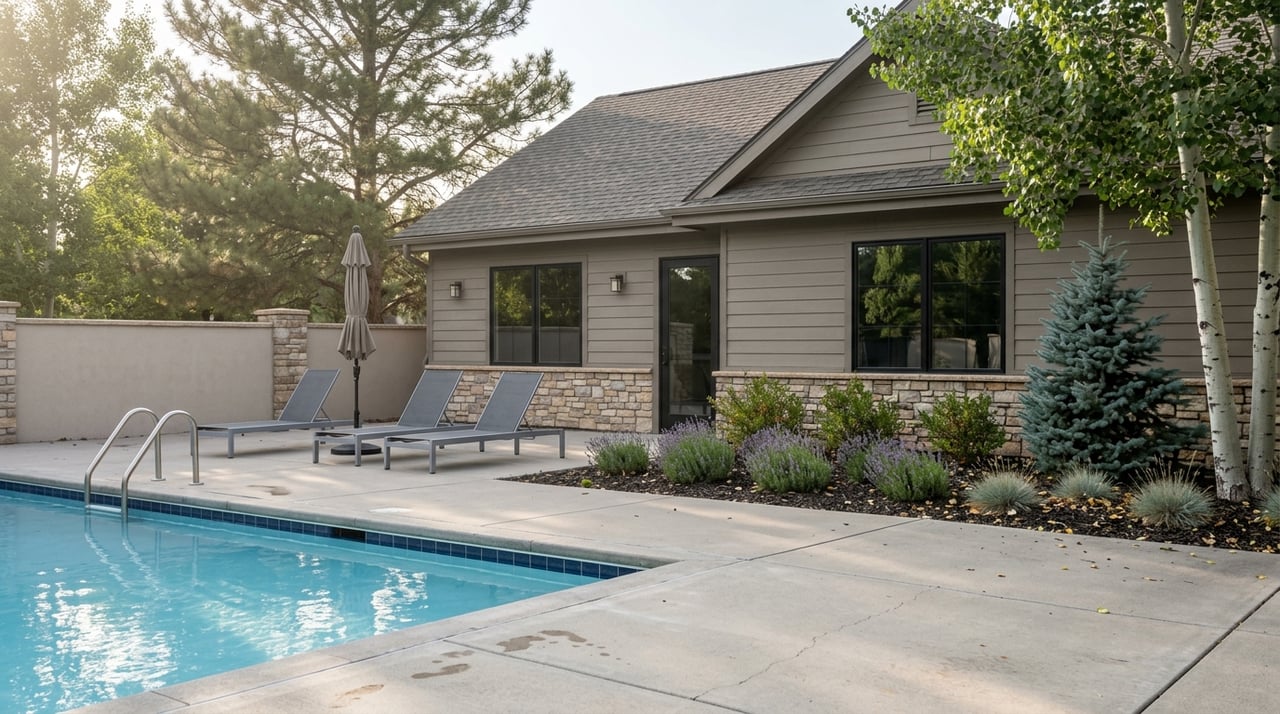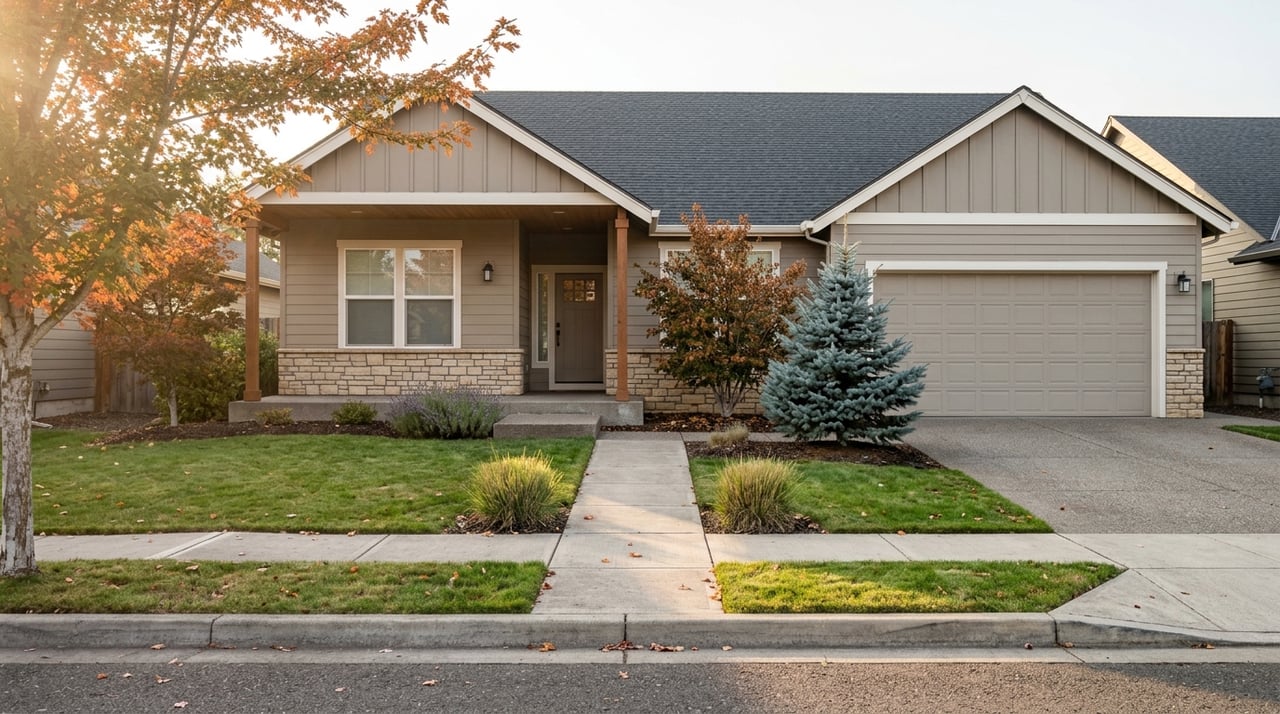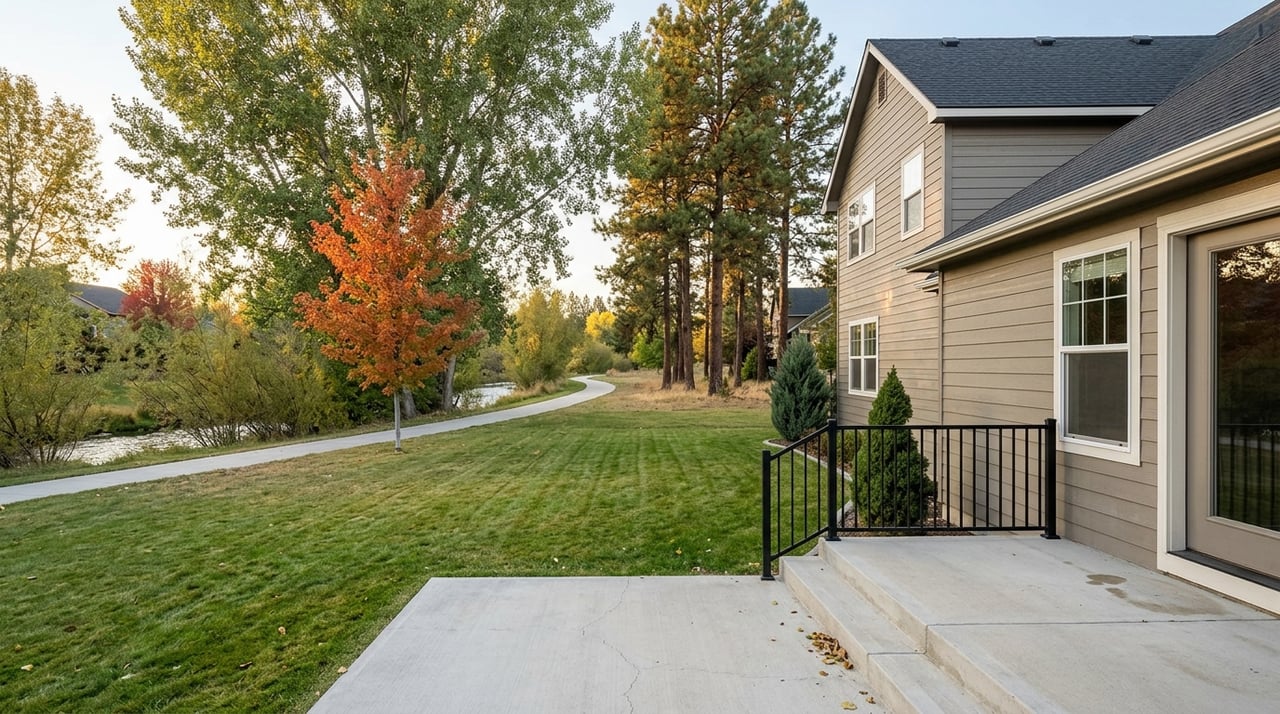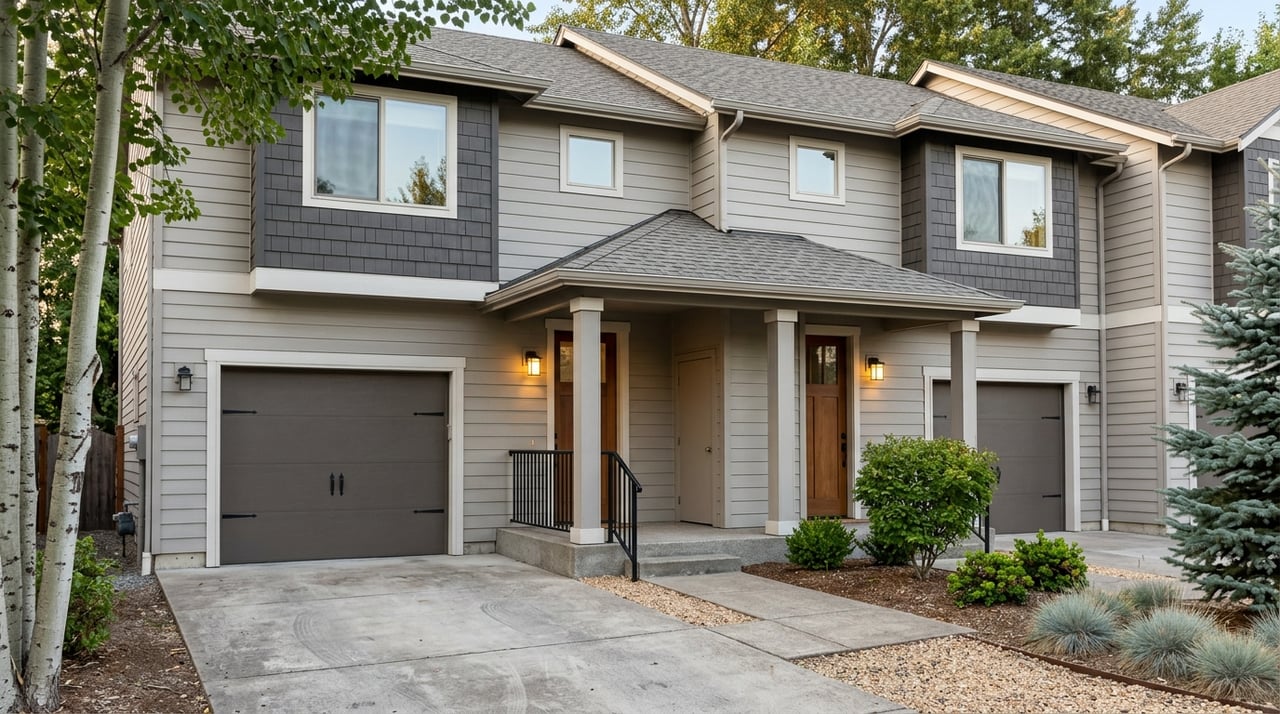
Wondering whether a condo or townhome is the right move in Littleton? You are not alone. Attached homes can be a smart way to buy into the area, right-size your space, or keep monthly upkeep more manageable, but the details matter more than many buyers expect. This guide will help you understand how condos and townhomes fit into Littleton, what to look for before you tour, and which questions can protect your budget and lifestyle. Let’s dive in.
Why attached homes matter in Littleton
In Littleton, condos and townhomes are not an afterthought. The city’s planning framework treats attached housing as a normal part of the local housing mix, alongside detached homes and larger multi-family development. That means when you shop for a condo or townhome here, you are looking at a housing type that already fits the city’s long-term vision.
Littleton’s housing study also shows just how important attached homes are in the local market. Using a 2016 baseline, the city found that 47 percent of the housing stock was attached housing. The same study noted that buyers earning roughly $50,000 to $75,000 often needed to consider condos and townhomes to find a more proportional level of affordability.
That makes attached housing especially relevant if you are a first-time buyer, downsizer, or simply looking for a home that lets you stay in Littleton without stretching into a detached-home budget. In many cases, these homes offer a practical path to ownership while still sitting in neighborhoods designed to feel suburban rather than urban.
Where attached housing shows up
Littleton’s comprehensive plan identifies attached-housing areas in several parts of the city. These include Riverwalk northwest of Downtown, SouthPark and Peninsula in south Littleton, the Highline Crossing cohousing community, smaller areas north and south of Littleton Boulevard, and an attached-housing area within Trailmark.
For you as a buyer, this means attached homes are not all clustered into one setting or one lifestyle. Some communities may feel more tucked into established residential areas, while others may function as a transition between detached neighborhoods and larger developments. Touring different parts of Littleton can help you see which setting feels most comfortable for your day-to-day life.
Condo vs. townhome in Colorado
Legal structure matters most
One of the biggest buyer mistakes is assuming the exterior tells you what you are buying. In Colorado, a condominium is a common-interest community where part of the real estate is separately owned and the rest is owned in common by unit owners. A planned community is a different legal structure.
That means a property that looks like a townhome may still legally be a condominium. If you want to know what you are actually buying, you need to verify the legal form through the title work and HOA documents rather than relying on appearance alone.
Why ownership structure affects your purchase
The legal setup can shape your financing, insurance responsibilities, maintenance obligations, and monthly costs. Two homes with a similar layout and exterior design can come with very different ownership rules.
Before you fall in love with a property, ask whether it is a condominium, a fee-simple townhome, or another structure. That answer can affect both your loan process and how much control you have over the property long term.
Financing a Littleton condo or townhome
Financing attached housing can be more layered than financing a detached home. HUD states that FHA-insured condo loans generally require the project to be FHA-approved or eligible for single-unit approval. Project review can include insurance coverage, financial condition, title, pending legal action, and physical condition.
Conventional financing may also involve project-level review. Fannie Mae maintains condo project eligibility standards, so lender approval is not always based on your finances alone.
For you, the practical takeaway is simple: do not wait until late in the process to ask about financing. If you are considering a condo or condo-style townhome, ask early whether there are project-level issues that could slow underwriting or limit loan options.
Monthly costs go beyond the mortgage
A condo or townhome can look affordable at first glance, but your full monthly housing cost is usually more than principal, interest, taxes, and insurance. The Consumer Financial Protection Bureau notes that condo fees or HOA dues are usually paid separately from the mortgage payment.
That is why you should compare homes based on total monthly carrying cost, not just sale price. A lower-priced home with higher dues may fit your budget differently than a higher-priced home with lower dues.
When you review a property, ask for a clear breakdown of:
- Mortgage payment estimate
- Property taxes
- Insurance obligations
- Monthly HOA dues
- Any current or likely special assessments
HOA due diligence is essential
Review the right documents
In Colorado, HOA review is one of the most important parts of buying an attached home. DORA advises buyers to review all documents they are entitled to under Section 7 of the Colorado Contract to Buy and Sell once they are under contract. These documents should include both governing and financial materials.
Those records can help you understand how the association operates, what rules apply, and whether the HOA appears financially healthy. DORA also notes that buyers can often obtain the declaration from the county clerk and recorder before going under contract, which can help you do some homework earlier.
Watch for signs of future costs
Regular HOA assessments often cover maintenance, landscaping, legal fees, registration fees, and insurance. Special assessments are different. They are typically used for specific projects like major repairs, new construction, or reserve funding.
That distinction matters because a community with modest dues can still become expensive if large projects are coming and reserves are thin. DORA recommends reviewing recent meeting minutes and checking for signs that a special assessment may be under consideration.
Ask how the HOA is managed
DORA also recommends checking whether the HOA is professionally managed. Professional management does not guarantee a perfect experience, but it can help you understand how organized the association is and how issues are handled.
Since Colorado HOAs do not have state regulatory oversight in the same way as a city utility or state-licensed financial institution, document review becomes even more important. In short, you want to know how the community runs before you commit to living in it.
Maintenance and insurance in attached housing
A common reason buyers choose condos and townhomes is the idea of easier maintenance. Sometimes that is true, but the better question is how maintenance is defined and funded.
DORA notes that maintenance and landscaping are largely controlled by the HOA board, not by individual owners. Maintenance issues also tend to be more common in attached communities such as condominiums and townhomes, which makes it important to understand who handles what.
Ask specifically about these items:
- Roof
- Siding
- Gutters
- Landscaping
- Snow removal
- Patios and balconies
- Front entries
- Shared structures or walls
Insurance also plays a major role. Colorado law requires associations to maintain property insurance on common elements for broad-form covered causes of loss and commercial general liability insurance tied to the ownership, existence, use, or management of common elements.
This matters even more in attached housing because one event, like a hailstorm, can affect multiple owners at once. Make sure you understand what the HOA insures and what you need to insure personally.
Parking and storage can shape daily life
In Littleton, parking is not just a side issue. The city’s zoning framework treats parking, setbacks, and open space as part of neighborhood character. That is one reason attached communities can feel very different from one another.
Some rely on attached garages and private driveways. Others depend more on shared parking courts, guest parking, or street parking. The setup may look workable during a short showing, but your daily experience can feel very different after move-in.
What to check before you buy
Pay close attention to these practical details:
- Is parking assigned, deeded, or first-come?
- How many guest spaces are available?
- Are there overnight parking restrictions?
- Are nearby streets permit-controlled?
- Is the garage deep enough for your vehicle?
- Do you have room for bikes, strollers, tools, or seasonal items?
Some Littleton areas also have permit-parking districts, so do not assume street overflow will always be easy. Ask about guest parking rules, towing policies, and nearby street restrictions before you write an offer.
Littleton code rules worth knowing
Day-to-day rules can affect how comfortable a property feels. Littleton requires vehicles to be parked on approved surfaces rather than dirt or vegetation. The city also prohibits outdoor storage of miscellaneous materials and equipment.
Snow and ice must be removed from sidewalks within 24 hours after a storm. The city also allows vehicle service only on occupant-owned vehicles in an enclosed garage. These details may sound small, but they can matter a lot in communities where garage space is limited and exterior storage is restricted.
There is one more important local note. Some properties use a Littleton mailing address or ZIP code but are actually outside the City of Littleton limits. If that is the case, city code, parking rules, and enforcement procedures may not apply the way you expect.
Smart questions before touring
If you want to compare condos and townhomes with confidence, go into each showing with a short list of questions. The goal is to understand cost, ownership, financing, and livability before you get emotionally attached.
Here are some of the most useful questions to ask.
Questions about ownership and financing
- Is this a condominium, a fee-simple townhome, or another ownership structure?
- Can this project work with the financing you plan to use?
- Are there project-level issues that could delay underwriting?
- Can you review the declaration or CC&Rs before making an offer?
Questions about the HOA
- What do the monthly dues cover?
- How often have dues increased?
- Are any special assessments planned or being discussed?
- Is the HOA professionally managed?
- How much is in reserves?
- What major repairs are expected soon?
Questions about everyday use
- Who handles roof, siding, gutters, landscaping, and snow removal?
- What insurance does the HOA carry for common elements?
- Are patios, balconies, or front entries owner-maintained?
- How much sound travels through shared walls or floors?
- Does the home fit your needs for first-time ownership, downsizing, or longer-term living?
How to evaluate a showing in person
The best attached-home tours in Littleton are the ones where you slow down and notice the practical details. It is not just about the kitchen finishes or the living room layout.
Look at the parking arrangement, garage depth, and storage options. Study the exterior maintenance boundary and the amount of open space. Those are often the details that make the difference between a home that looks good online and a home that works well in real life.
Buying with more confidence in Littleton
A condo or townhome in Littleton can be a smart move if you match the property to your budget, financing, and everyday needs. The key is to look beyond the exterior style and understand the legal structure, HOA health, maintenance responsibilities, and parking reality.
When you do that homework early, you put yourself in a much stronger position to choose a home that feels right now and still works well later. If you want local guidance as you compare attached homes in Littleton, Mindi Sanders can help you narrow your options and make a more confident move.
FAQs
What is the difference between a condo and a townhome in Littleton?
- In Littleton, the biggest difference may be the legal ownership structure rather than the exterior style. A home that looks like a townhome can still legally be a condominium, so you should verify the structure through title and HOA documents.
What should you review before buying a condo or townhome in Littleton?
- You should review HOA governing documents, financial records, recent meeting minutes, reserve information, maintenance responsibilities, insurance coverage, parking rules, and the property’s ownership structure.
Do HOA dues cover everything for a Littleton condo or townhome?
- No. HOA dues often cover items like maintenance, landscaping, legal fees, registration fees, and insurance, but they do not replace your mortgage and may not cover every repair or insurance need.
Can financing be harder for a Littleton condo purchase?
- Yes. Condo financing can involve project-level review, and FHA financing may require project approval or single-unit approval eligibility.
Why does parking matter so much in Littleton attached housing?
- Parking affects daily convenience, guest access, storage use, and even whether a home functions well for your household. Some communities rely on garages and driveways, while others depend on shared or permit-controlled parking.
Are all homes with a Littleton address inside the City of Littleton?
- No. Some homes have a Littleton mailing address or ZIP code but are outside city limits, so you should verify whether City of Littleton rules and enforcement actually apply to the property.