If you are torn between Littleton and Highlands Ranch, you are not alone. Both are popular South Denver area choices, but they offer very different day-to-day experiences. When you understand how each place handles commuting, outdoor access, housing, and community structure, it becomes much easier to see which one fits your lifestyle best. Let’s dive in.
Start With the Big Difference
Littleton and Highlands Ranch may sit close to each other, but they are not the same type of place. Littleton is an incorporated city that was founded in 1890 and had 45,652 residents at the 2020 census. Highlands Ranch is a 22,000-acre master-planned community, not a city, and its local services are shared among the Metro District, Douglas County, and the Highlands Ranch Community Association.
That distinction matters more than many buyers expect. In Littleton, you are looking at an established city with a recognizable civic identity, historic roots, and its own downtown feel. In Highlands Ranch, you are stepping into a highly planned suburban community with a more centralized amenity structure.
There is also an important local nuance to keep in mind. Some properties have a Littleton mailing address but are not actually inside Littleton city limits, and Littleton itself spans Arapahoe, Jefferson, and Douglas counties. If you are relocating, that is something to confirm early as you compare homes.
Littleton Lifestyle at a Glance
Littleton tends to appeal to buyers who want a city with history, a true downtown core, and a mix of housing and amenities. The city highlights outdoor adventure, shopping, mountain views, and a strong sense of community. That combination gives Littleton a more layered feel than many suburban areas.
You can also see that variety in the city’s housing profile. A Littleton housing study described the housing stock as balanced and relatively diverse, with just over half single-family detached homes and 47% attached housing. That mix can be helpful if you want more choices in home style, age, and setting.
Littleton also has a stronger civic and cultural identity than many people expect. The city’s arts and culture offerings include Town Hall Arts Center, Bemis Public Library, galleries, the museum, and other arts organizations. The Littleton Museum sits on 40 acres beside Ketring Lake and includes two living history farm sites, which adds another layer to the community experience.
Highlands Ranch Lifestyle at a Glance
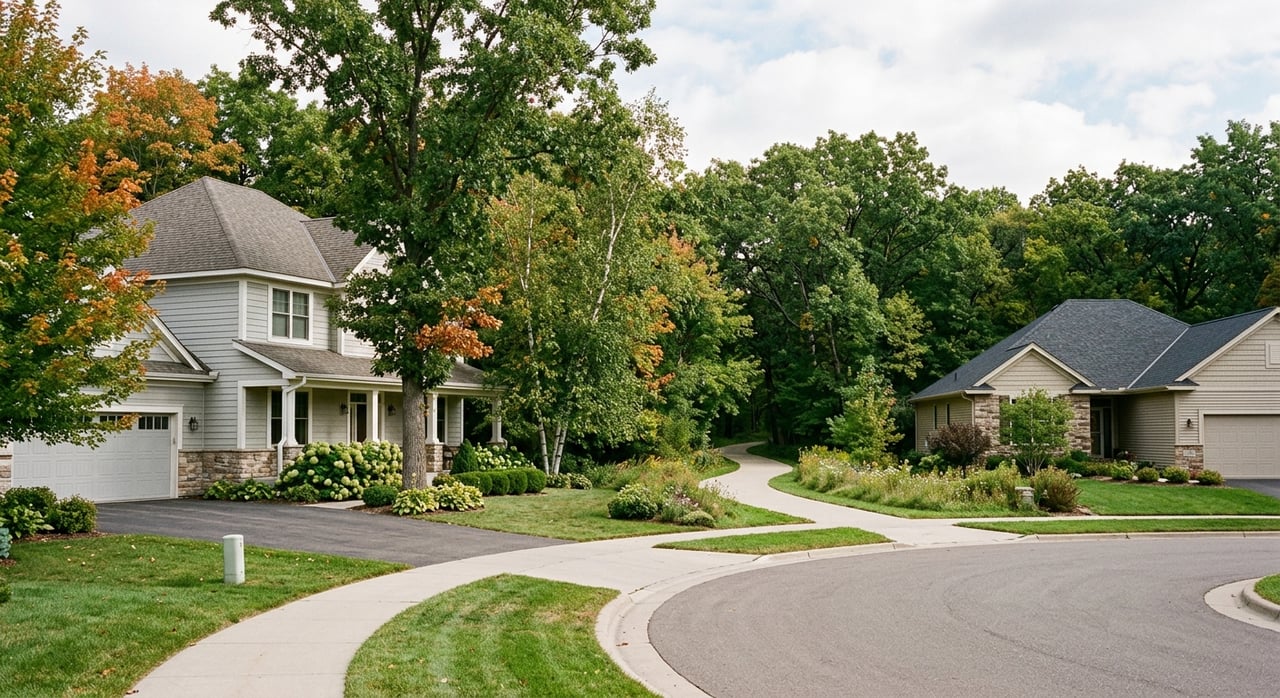
Highlands Ranch often stands out for buyers who want a more planned suburban environment with recreation built into daily life. The community includes four main neighborhoods: Eastridge, Westridge, Northridge, and Southridge. That structure can feel straightforward and easy to navigate if you prefer a more organized neighborhood layout.
Amenities are a major part of the Highlands Ranch experience. The Metro District manages 26 parks, more than 70 miles of trails, and 2,644 acres of open space within the developed community. HRCA also offers four recreation centers and access to the 8,200-acre Backcountry Wilderness Area, which includes 26 miles of trails for members and guests.
For many buyers, that means a lifestyle centered around neighborhood parks, rec centers, and a connected open-space network. If you like the idea of having recreation organized within the community itself, Highlands Ranch may feel especially convenient.
Commute and Transportation
If transportation flexibility matters to you, this is one of the biggest differences between the two. Littleton offers direct RTD D-Line access at Littleton Downtown Station and Littleton Mineral Station. The Downtown station serves four bus routes, while the Mineral station serves one bus route and a large park-and-ride.
Littleton also highlights access to I-25, C-470, and South Santa Fe Drive. So if you want both driving routes and light rail options, Littleton gives you more ways to get around. That can be a real advantage if your schedule changes often or if you prefer not to rely only on a car.
Highlands Ranch is more road-oriented in how it operates. Official community materials focus on roads, arterials, and transportation infrastructure, with the Metro District and Douglas County handling much of that system. In practical terms, Highlands Ranch is generally a more car-centered experience.
Interestingly, the average commute times are very close. Littleton averages 25.1 minutes, while Highlands Ranch averages 24.2 minutes. So the real difference is less about total drive time and more about whether you want rail access and transit flexibility or a primarily drive-based routine.
Outdoor Access and Everyday Recreation
Both areas offer strong outdoor access, but they do it in different ways. Littleton has more than 1,400 acres of parks and open space plus more than 200 miles of trails. The South Platte River corridor is one of the city’s signature features, with added open space, bridges, trailheads, and trail miles along the river corridor.
That gives Littleton an outdoor feel tied to river landscapes, trails, and civic spaces. If you like the idea of walking or biking through a setting that feels connected to the city’s history and public spaces, Littleton has a distinct appeal. It blends nature with an established community backdrop.
Highlands Ranch offers more open space overall within its planned system. The developed community includes 2,644 acres of open space, and the Backcountry Wilderness Area adds another 8,200 acres with 26 miles of trails for members and guests. Combined with the recreation centers, this creates a highly structured amenity package.
So the choice often comes down to the type of outdoor lifestyle you want. Littleton feels more like an established city with a strong trail and park network woven through it. Highlands Ranch feels more like a master-planned community where recreation is built into the neighborhood framework.
Housing and Neighborhood Feel
Housing style can shape your daily life just as much as price or square footage. Littleton offers a more mixed housing fabric, with a blend of historic areas, older subdivisions, and newer infill. Because the housing stock is relatively diverse, you may find more variation in architecture, lot setup, and neighborhood character.
Current Census data also suggest Littleton has a more mixed-tenure and older-household profile. About 61.2% of housing is owner-occupied, the median home value is $630,600, the median household income is $98,839, the average household size is 2.16, 18.4% of residents are under 18, and 20.1% are age 65 and older.
Highlands Ranch has a different profile. It is more owner-heavy, with 78.1% owner-occupied housing, a median home value of $712,700, a median household income of $159,307, and an average household size of 2.65. Census data also show 24.0% of residents are under 18 and 14.7% are age 65 and older.
Those numbers do not tell you everything, but they do help paint a picture. Littleton may feel like a better fit if you want more housing variety and a broader mix of life stages. Highlands Ranch may feel like a better fit if you want a more uniform suburban setting with a stronger owner-occupied profile and larger average households.
Which Area Feels More Established?
If you are drawn to historic character and a clear town center, Littleton usually feels more established. Its roots go back to the late 1800s, and that history still shows up in its downtown identity, civic spaces, preservation efforts, and cultural institutions. For many buyers, that creates a sense of place that feels distinct and memorable.
Highlands Ranch is established in a different way. Since residential construction began around 1980 and 1981, it has had time to mature, but it was built as a master-planned community rather than an old city. That can translate into more consistent planning, more predictable neighborhood layouts, and a more standardized suburban feel.
Neither approach is better across the board. It really depends on whether you want charm and variety or a more planned and streamlined environment.
A Simple Way to Decide
If you are still deciding, it helps to think about your day in practical terms. Ask yourself where you would feel most comfortable running errands, getting outside, commuting, and spending weekends. The right answer is usually the place that supports your normal routine, not just the place that looks best on paper.
Littleton may be the better fit if you want:
- A true city identity with historic roots
- A recognizable downtown core
- Light rail access and more transit flexibility
- More housing variety
- Strong arts, museum, and civic amenities
- River corridor trails and an established park system
Highlands Ranch may be the better fit if you want:
- A master-planned suburban community
- Four recreation centers
- Extensive internal open space
- A more organized neighborhood structure
- A primarily car-oriented routine
- A more uniform suburban amenity package
What This Means for Your Home Search
When you relocate within the South Denver area, lifestyle fit matters just as much as home features. A house can check every box and still feel wrong if the surrounding area does not match how you live. That is why it helps to compare Littleton and Highlands Ranch beyond price, bedrooms, and square footage.
The good news is that both areas offer strong appeal, just in different ways. Littleton brings history, transit access, cultural depth, and a diverse housing mix. Highlands Ranch offers a highly planned setting with recreation-centered amenities, open space, and a more standardized suburban rhythm.
If you want help narrowing down which area truly fits your routine, goals, and budget, working with a local expert can save you time and help you avoid common confusion around mailing addresses, community boundaries, and neighborhood feel. When you are ready to explore homes in Littleton, Highlands Ranch, or the surrounding South Metro area, connect with Mindi Sanders for local guidance tailored to your move.
FAQs
Is Highlands Ranch a city like Littleton?
- No. Highlands Ranch is not a city. It is a master-planned community, and local services are shared among the Metro District, Douglas County, and the Highlands Ranch Community Association.
Does Littleton have light rail access?
- Yes. Littleton has direct RTD D-Line access at Littleton Downtown Station and Littleton Mineral Station.
Are all Littleton mailing addresses inside Littleton city limits?
- No. Some homes use a Littleton mailing address even though they are outside Littleton city limits.
Which area has more recreation centers, Littleton or Highlands Ranch?
- Highlands Ranch does. HRCA offers four recreation centers as part of the community amenity system.
Which area has the more family-oriented age profile?
- Based on Census data in the research, Highlands Ranch has the more family-oriented age profile, with a higher share of residents under 18 and a larger average household size.
Which area offers more housing variety, Littleton or Highlands Ranch?
- Littleton appears to offer more housing variety, with a more balanced mix of detached and attached homes and a broader range of neighborhood types.