Buying your first home in Highlands Ranch can feel like aiming for a moving target. Prices are still high, homes can move quickly, and the community itself has more layers than many first-time buyers expect. The good news is that with the right strategy, Highlands Ranch can still offer realistic paths into homeownership. In this guide, you’ll learn where entry-level opportunities are more likely to exist, what tradeoffs matter most, and how to build a plan that fits your budget and daily life. Let’s dive in.
Why Highlands Ranch Feels Different
Highlands Ranch is not an incorporated city. It is an unincorporated community in Douglas County, and services are shared across groups like the Highlands Ranch Metro District, Douglas County, HRCA, and other special districts.
For you as a first-time buyer, that matters because ownership costs and rules can be more layered. You may need to account for assessments, community fees, covenant rules, park and trail maintenance, and other responsibilities that are not always structured the same way as in a typical city neighborhood.
Highlands Ranch is also a large master-planned community that began in 1981 and is now nearly built out. It is divided into Eastridge, Westridge, Northridge, and Southridge, with extensive trails, open space, parks, and recreation facilities that shape the daily lifestyle here.
What First-Time Buyers Can Realistically Expect
If you have been browsing listings and wondering whether Highlands Ranch is out of reach, the answer is not a simple yes or no. The broader market still sits in the high-$600,000s to low-$700,000s overall, depending on the source and how the numbers are measured.
Recent market data shows a median sale price around $685,000 in March 2026, while another source reported a February 2026 median sale price of $683,750 and a typical home value of $712,205. Homes were also moving fairly fast, with about 13 days on market or 17 days to pending depending on the dataset.
That means your first purchase in Highlands Ranch will likely require a focused search. You are usually not shopping the whole community evenly. Instead, you are identifying the home type, price band, and neighborhood pockets that give you the best chance of success.
Attached Homes Are Often the Entry Point
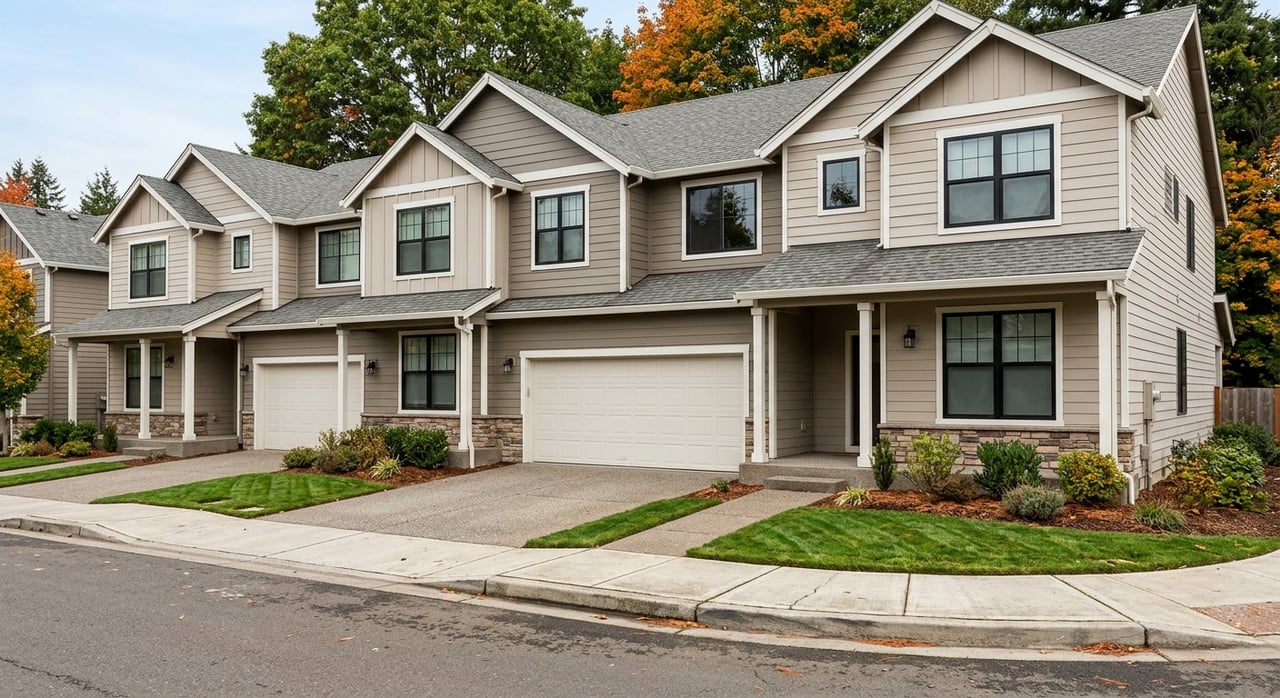
The biggest affordability divide in Highlands Ranch is between attached and detached homes. In Douglas County’s fourth quarter 2025 report, single-family attached homes averaged $552,587, while detached homes averaged $776,919.
For many first-time buyers, that makes attached homes the most realistic starting point. If your budget does not comfortably reach into detached pricing, a townhome or other attached option may help you enter the market sooner while still giving you access to Highlands Ranch amenities and location benefits.
Detached Homes May Require Tradeoffs
If your goal is a detached home, you may need to compromise on size, age, finishes, or exact location. Smaller or older detached homes can sometimes create a path in, but they will usually still require a larger budget than attached properties.
This is where being clear on your true priorities becomes important. A less updated kitchen or smaller yard may be easier to live with than stretching your monthly payment too far.
Where Lower-Cost Opportunities May Show Up
One of the biggest mistakes first-time buyers make is assuming Highlands Ranch has one price level. It does not. Some neighborhood pockets show lower estimated values than others, which can help you narrow your search more intelligently.
Neighborhood-level estimates show Brookridge around $248,859, Centennial Park around $500,945, Jason Park around $506,615, South Broadway Heights around $513,361, and Belleview-Cornerstone Park around $549,556. These are value estimates rather than closed-sale medians, but they still offer useful direction.
The key takeaway is simple: affordability in Highlands Ranch is often pocket-specific. If you want to buy here for the first time, your best opportunities may come from targeting smaller subareas rather than searching broadly across the whole community.
Budget Beyond the Mortgage Payment
In Highlands Ranch, the monthly payment is only part of the story. Because the community includes HRCA-funded services and facilities, many buyers should expect to budget for HOA-style costs, assessments, or related community fees in many areas.
That does not automatically make a home less desirable. In many cases, those costs support access to recreation centers, trails, parks, open space, and shared community features that are a major part of living here.
HRCA operates four private recreation centers and the 8,200-acre Backcountry Wilderness Area. The Metro District manages 26 parks, more than 70 miles of trails, and more than 2,600 acres of open space.
For you, that can be a meaningful value trade. A home with a smaller yard or fewer interior upgrades may still feel like a strong lifestyle fit if the surrounding community gives you easy access to outdoor space and recreation.
Put Must-Haves Before Nice-to-Haves
If you are buying your first home, the smartest move is to separate what you need from what would simply be nice to have. In Highlands Ranch, that decision can help you stay competitive without overextending yourself.
Your must-haves should usually include:
- A monthly payment you can sustain
- A commute that fits your routine
- The number of bedrooms and bathrooms you truly need
- Parking and storage that work for your household
- A clear understanding of assessments, fees, or covenant obligations
Nice-to-haves often include:
- Fully updated finishes
- A larger yard
- Mountain views
- Extra flex space
- A very specific sub-neighborhood
When you decide this upfront, you reduce decision fatigue. You also lower the risk of falling in love with features that push you beyond your comfort zone.
Commute Fit Still Matters
Highlands Ranch is about 12 miles south of the Denver metro area and offers access to places like downtown Denver, the Denver Tech Center, and Park Meadows. That convenience is part of the appeal, but your actual daily experience will depend on your schedule and route.
A home that looks affordable on paper may feel less practical if the commute becomes a burden. That is why first-time buyers should test location fit early, not after they are already emotionally attached to a property.
Douglas County also offers free Link On Demand rides across Highlands Ranch and Lone Tree through an app-based service. For some buyers, that added mobility can help with errands, local trips, or reducing the need for a second car.
Why Preparation Matters in This Market
Even though Highlands Ranch is not seeing every home fly off the shelf instantly, buyers still need to be ready. Market data indicates that homes receive about one offer on average, some get multiple offers, and hot homes can go pending in around four days.
For a first-time buyer, preparation protects both your budget and your peace of mind. It helps you move quickly without making rushed decisions that you later regret.
Your Best Pre-Offer Checklist
Before you seriously shop, make sure you have:
- A clear price ceiling
- A lender conversation or preapproval in place
- A realistic estimate of cash needed for down payment and closing costs
- A list of non-negotiable home features
- A short list of acceptable neighborhood areas
This kind of preparation gives you confidence. It also helps you avoid getting pulled into bidding decisions that do not align with your long-term finances.
Financing Help Worth Exploring
Colorado first-time buyers should also know about CHFA resources. CHFA offers homebuyer education statewide, and borrowers using CHFA first mortgage loan programs must complete a CHFA-approved class before closing.
CHFA also offers down payment and closing-cost assistance through participating lenders for eligible buyers. If saving for upfront costs is one of your biggest barriers, this can be a practical path to explore early in the process.
The education piece matters too. First-time buyers often focus on the down payment, but closing costs, prepaid items, and monthly ownership expenses all shape what is truly affordable.
A Smart First Step in Highlands Ranch
If you want to buy your first home in Highlands Ranch, start by thinking strategically, not emotionally. In most cases, that means looking first at attached homes or lower-cost neighborhood pockets, building a full budget that includes community-related costs, and staying realistic about what matters most in your daily life.
Highlands Ranch can still be a strong first purchase if you approach it with clear expectations. The buyers who do best here are usually the ones who know their numbers, understand the tradeoffs, and act quickly when the right fit appears.
If you want local guidance on how to narrow your search, compare your options, and build a realistic buying plan in Highlands Ranch or the South Denver metro, reach out to Mindi Sanders for experienced, neighborhood-focused support.
FAQs
What type of home is most realistic for first-time buyers in Highlands Ranch?
- Attached homes are often the most realistic entry point because Douglas County data shows they average much less than detached homes in Highlands Ranch.
Is Highlands Ranch too expensive for a first home purchase?
- Not necessarily, but the market is still expensive overall, so your search usually needs to focus on attached homes, smaller detached homes, or lower-cost pockets within the community.
Should first-time buyers expect HOA or assessment costs in Highlands Ranch?
- Yes, in many parts of Highlands Ranch you should expect community-related costs because services and amenities are supported through assessments and program fees.
How fast do homes move in the Highlands Ranch market?
- Recent market data shows fairly quick timelines, with homes going pending in about 13 to 17 days overall and some hot homes moving in around four days.
Why is commute planning important when buying in Highlands Ranch?
- Commute fit matters because Highlands Ranch is closely tied to major employment areas, and a home that fits your budget may still be a poor match if the daily drive does not work for your routine.
What buyer assistance programs should first-time buyers explore in Colorado?
- Eligible buyers may want to explore CHFA programs for homebuyer education and possible down payment or closing-cost assistance through participating lenders.