Ask a Highlands Ranch homeowner what it takes to sell a house, and most will describe the parts everyone can see: photos, a sign, a weekend of showings, a closing date circled on the calendar. What they usually leave out is the part that runs on its own schedule and doesn't care how motivated the buyer is or how fast the mortgage underwriter moves. The Highlands Ranch Community Association keeps its own clock, and in the market Denver Metro is seeing in the second half of 2026, ignoring that clock is starting to cost sellers real time.
Here's the claim worth sitting with: the paperwork trail behind an HRCA transfer doesn't start at the closing table and it doesn't end there either. It starts weeks before you list, with whatever you've already built or painted in your backyard, and it doesn't fully wrap up until six to eight weeks after you've handed over the keys. In a spring market where homes moved in thirteen days, that lag was invisible. In the market Highlands Ranch is in now, it isn't.
The fee schedule nobody mentions at the listing appointment
Every Highlands Ranch sale runs through a set of HRCA charges that show up on the settlement statement whether anyone budgeted for them or not. The current schedule includes a $150 status letter, a $175 transfer fee collected at closing, and a $250 estoppel certificate, with rush fees possible if the timeline gets tight. On top of that, sellers typically see one or two quarters of HRCA dues collected at closing, since 2026 assessments run $174 per quarter, or $696 for the year.
| HRCA closing item | Typical cost | When it hits |
|---|---|---|
| Status letter | $150 | Ordered once you're under contract |
| Transfer fee | $175 | Collected at closing |
| Estoppel certificate | $250 | Collected at closing, rush fees possible |
| Quarterly assessment | $174 ($696/year) | Prorated, often 1-2 quarters collected |
None of that is unusual for a master-planned community. What catches sellers off guard is what happens after the check clears. HRCA typically needs six to eight weeks after closing to fully process the resale paperwork. That's not a delay in your closing date, but it does mean the file isn't actually closed the day you move out, and any loose end (a dues discrepancy, a title question tied to the transfer) can resurface during that window.
The calendar you don't control
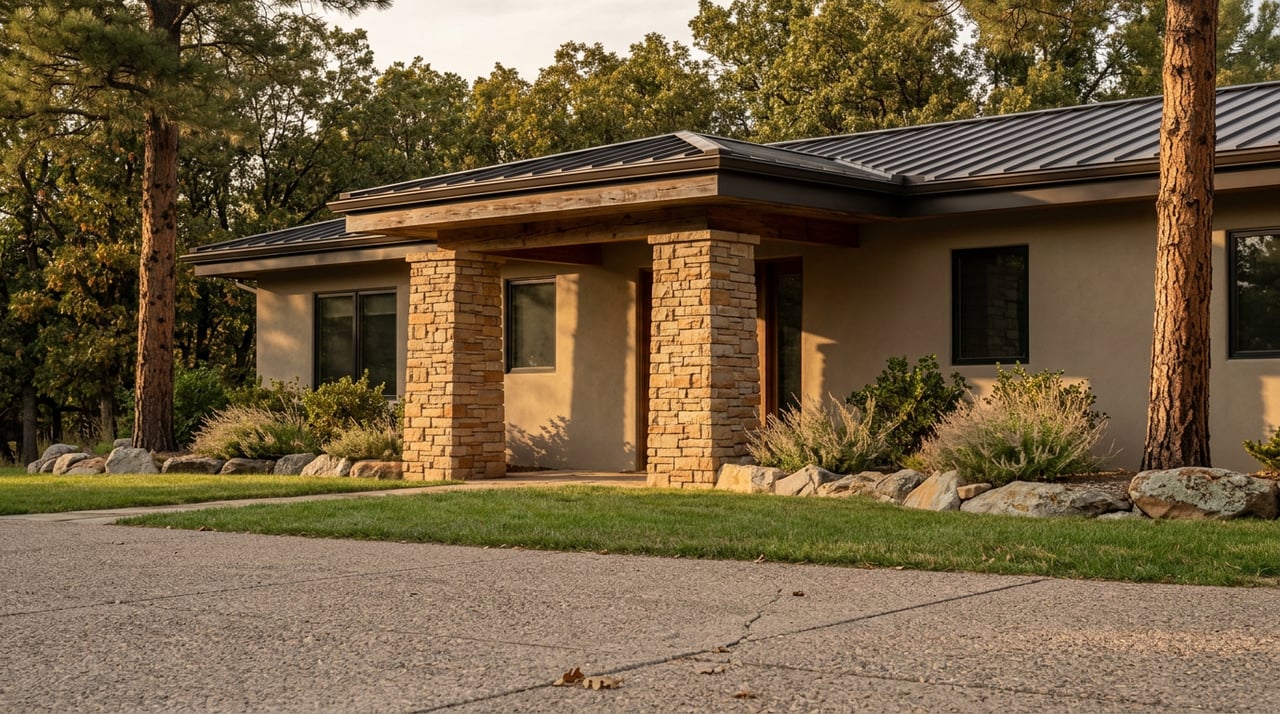
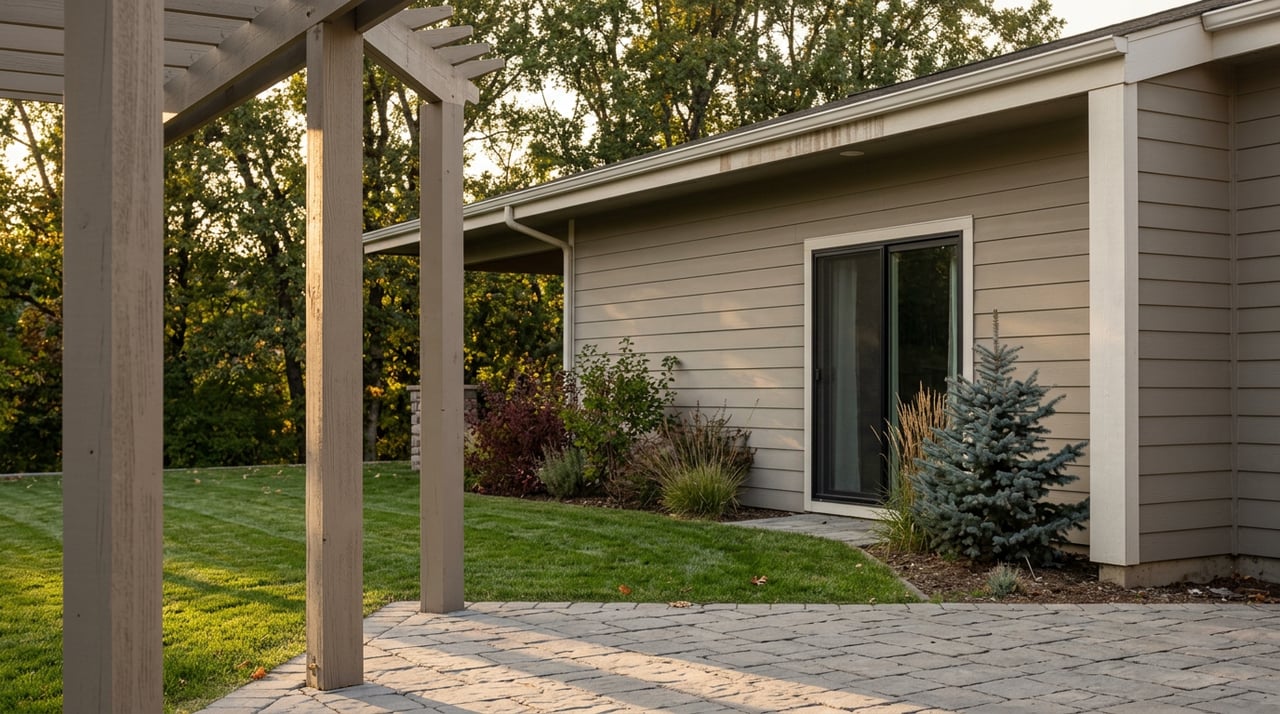
The bigger friction point sits earlier in the process. Any visible exterior change in Highlands Ranch, from a repainted door to a new fence to a pergola over the patio, needs sign-off from the Architectural Review Committee before the work happens, not after. The committee reviews projects on its own set cycle rather than on demand, and a typical request takes two to four weeks to clear. Miss the cycle because of a holiday and the wait stretches further. Homeowners who submit fence or deck plans right before a long weekend have found their review pushed back an extra week simply because the committee's meeting schedule skipped a cycle.
That timing matters most for sellers doing pre-listing work. A new deck, a repainted exterior, updated landscaping around the front walk, all of it can boost how a listing photographs, but if the project isn't approved first, you're not just risking a fine. You're risking a project that has to be modified or removed before it can support your asking price, and that conversation is much harder to have with a buyer's inspector than with your own contractor.
Practical translation: if you're planning any exterior work before listing your Highlands Ranch home, submit it to the committee before you start, not after. The review clock doesn't accelerate because you have a closing date in mind.
Layers under layers: why two Highlands Ranch homes can look the same and cost different
The HRCA master assessment is only one line on the bill. Most Highlands Ranch properties also sit inside a sub-association, and some sit inside the Highlands Ranch Metropolitan District as well, which levies its own property tax charges through Douglas County for infrastructure, open space, and debt service on public improvements. The Villages at Highlands Ranch Subassociation, for example, is a separate covenant-controlled community of 323 homes formed in 1995, operating inside HRCA and inside the metro district at the same time. A buyer comparing two similarly priced Highlands Ranch listings can end up with meaningfully different total carrying costs once the sub-association dues and the metro district's mill levy are added to the HRCA line.
For a seller, this means the resale certificate package matters more than most listing checklists suggest. It should include the HRCA documents, any sub-association CC&Rs and recent invoices, and a current property tax bill from the Douglas County Treasurer showing every mill levy that applies to the parcel. Buyers and their agents will ask for all of it. Having it ready before you list, rather than scrambling for it mid-contract, is one of the simplest ways to keep a transaction on schedule.
Why this matters more now than it did last spring
Here's where the timing argument gets sharper. Earlier this year, Highlands Ranch was still moving fast. Data for March 2026 put the median sale price at $690,000 with homes averaging just thirteen days on market and roughly one offer per home. A February 2026 snapshot showed a 0.994 sale-to-list ratio with just over half of sales closing under list price, which is a market with buyers still competing, but not blindly.
By midsummer, the picture had shifted. A local absorption-rate report dated July 15, 2026 described Highlands Ranch as sitting at six months of inventory, a genuinely balanced market where supply and demand are roughly even. That tracks with the broader Denver Metro trend: DMAR's July 2026 report recorded 3,667 closed sales across the metro, down 11.81% from June and down 5.68% from the same month in 2025, with new listings also pulling back 5.32% month over month. The median closing price held near $605,000, and homes that did sell took a median of 21 days, up from 18 in June, though still faster than the 24-day median from a year earlier.
None of those numbers are catastrophic. They describe a market cooling from a very hot spring into something closer to normal. But a normal market has less forgiveness for self-inflicted delays. When homes were selling in thirteen days with one offer, an unresolved ARC approval or a slow-walked estoppel certificate barely registered because buyers weren't shopping around while they waited. In a market where DMAR's own June 2026 report noted that showings are taking longer to generate and buyer follow-up requires more effort, every extra week your listing sits waiting on paperwork is a week competing listings get to look fresher by comparison.
A pre-listing checklist that actually reflects how Highlands Ranch transactions work
- Pull your HRCA account status and confirm there are no open covenant items or unpaid assessments before you list.
- If you have any unapproved exterior project, even something as small as a repainted door, submit it to the Architectural Review Committee now. Reviews run two to four weeks on the committee's own schedule, so build that into your listing timeline rather than your closing timeline.
- Order your HRCA status letter early in the listing process rather than waiting until you're under contract, since it feeds directly into the resale certificate buyers and title companies will request.
- Confirm whether your address falls inside a sub-association in addition to HRCA, and gather those governing documents and recent invoices alongside the HRCA paperwork.
- Check the current property tax bill from the Douglas County Treasurer for any metro district mill levy that applies to your parcel, so your net sheet reflects the full picture rather than just the HRCA line.
- Complete Colorado's Seller's Property Disclosure form with current, actual knowledge. The form became mandatory statewide for residential sales starting January 1, 2026, and any material fact discovered after signing has to be disclosed promptly.
Quick answers
Do I need HRCA approval to sell if I haven't changed anything on the exterior? You don't need new approval simply to list, but any prior project that was never submitted, visible or not, can surface as a question during the resale certificate process. It's worth a quick check with HRCA's Covenant Compliance Department before you go under contract.
What if my neighborhood also has a sub-HOA? Then you're managing two sets of documents and, in some cases, two sets of fees. HRCA approval doesn't replace sub-association approval, and vice versa, so budget time to gather both.
How much should I realistically set aside for HRCA-related closing costs? Plan on the $150, $175, and $250 fee trio at minimum, plus one to two quarters of prorated dues. The exact total depends on where you are in the quarterly billing cycle when you close.
Selling in Highlands Ranch has never been just about the sign in the yard. It's about a paperwork trail with its own calendar, layered fees that vary by address, and a market that's finally slow enough to notice when that trail runs long. Sellers who start the HRCA clock before they start showings tend to close closer to their target date and with fewer surprises on the settlement statement.
If you're weighing a sale in Highlands Ranch and want a clear-eyed read on your timeline, your HRCA paperwork, and what today's numbers mean for your price, Mindi Sanders can walk through your specific address, your sub-association, and your net sheet before you ever put a sign in the yard.